
The Gut-Brain Axis: How Your Digestive System Shapes Your Mind, Mood, and Memory
Table of Contents
- What Is the Gut-Brain Axis?
- The Role of the Vagus Nerve
- Gut Microbiome and Brain Function
- BDNF and Neuroplasticity
- Probiotics for Brain Health
- Fermented Foods and Cognition
- Gut Dysbiosis and Brain Fog
- Stress and the Gut Connection
- 10 Science-Backed Improvements
- FAQ
What Is the Gut-Brain Axis?
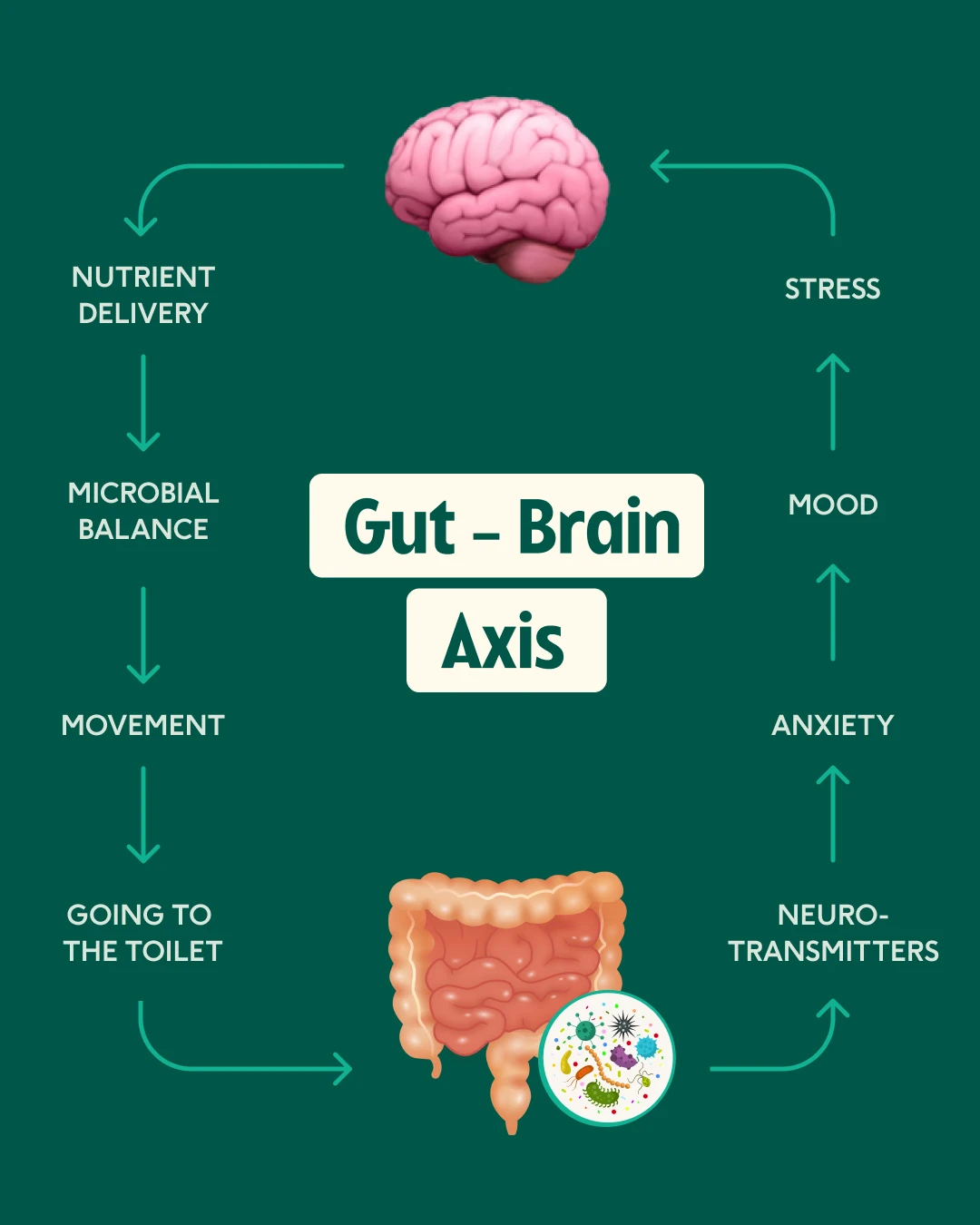
The Gut-Brain Axis is a complex communication network linking your central nervous system with your gastrointestinal tract. This system influences everything from mood stability to memory performance.
Research published on PubMed confirms that gut bacteria produce neurotransmitters that directly affect brain function.
The Role of the Vagus Nerve
The vagus nerve acts as a biological communication highway between the gut and brain, transmitting chemical and neural signals in both directions.
- Regulates stress response
- Influences mood stability
- Controls digestive-brain feedback loops
Gut Microbiome and Brain Function
Your gut microbiome contains trillions of bacteria that influence inflammation, neurotransmitter production, and cognitive clarity.
BDNF and Neuroplasticity
Brain-Derived Neurotrophic Factor (BDNF) plays a key role in learning and memory. Emerging research shows gut bacteria can influence BDNF expression.
For deeper research, see NIH neuroscience studies.
Probiotics for Brain Health
- Lactobacillus strains → reduce anxiety symptoms
- Bifidobacterium strains → improve cognitive processing
- Multi-strain probiotics → support gut diversity
Fermented Foods and Cognitive Function
- Kefir → supports gut microbial balance
- Kimchi → anti-inflammatory effects
- Kombucha → digestive enzyme support
Gut Dysbiosis and Brain Fog
Gut dysbiosis occurs when harmful bacteria outweigh beneficial bacteria, leading to inflammation that can manifest as brain fog, fatigue, and mood instability.
Stress and the Gut Connection
Stress increases cortisol levels, which disrupt gut bacteria balance and weakens the gut-brain communication pathway.
10 Science-Backed Ways to Improve the Gut-Brain Axis
1. Increase fiber intake
2. Add probiotic-rich foods
3. Reduce processed sugar
4. Improve sleep quality
5. Manage chronic stress
6. Use targeted probiotics
7. Stay hydrated
8. Increase omega-3 intake
9. Exercise regularly
10. Reduce antibiotic overuse
Frequently Asked Questions
What is the gut-brain axis in simple terms?
It is the communication system between your gut and brain that influences mood and cognition.
Can gut health affect memory?
Yes, poor gut health is linked to reduced memory performance and brain fog.
Do probiotics help the brain?
Some probiotic strains have been shown to improve mood and cognitive function.
Is the gut-brain axis scientifically proven?
Yes, it is supported by extensive neuroscience and microbiology research.